Keita Miyazaki - Palazzo Tozzoni, Imola
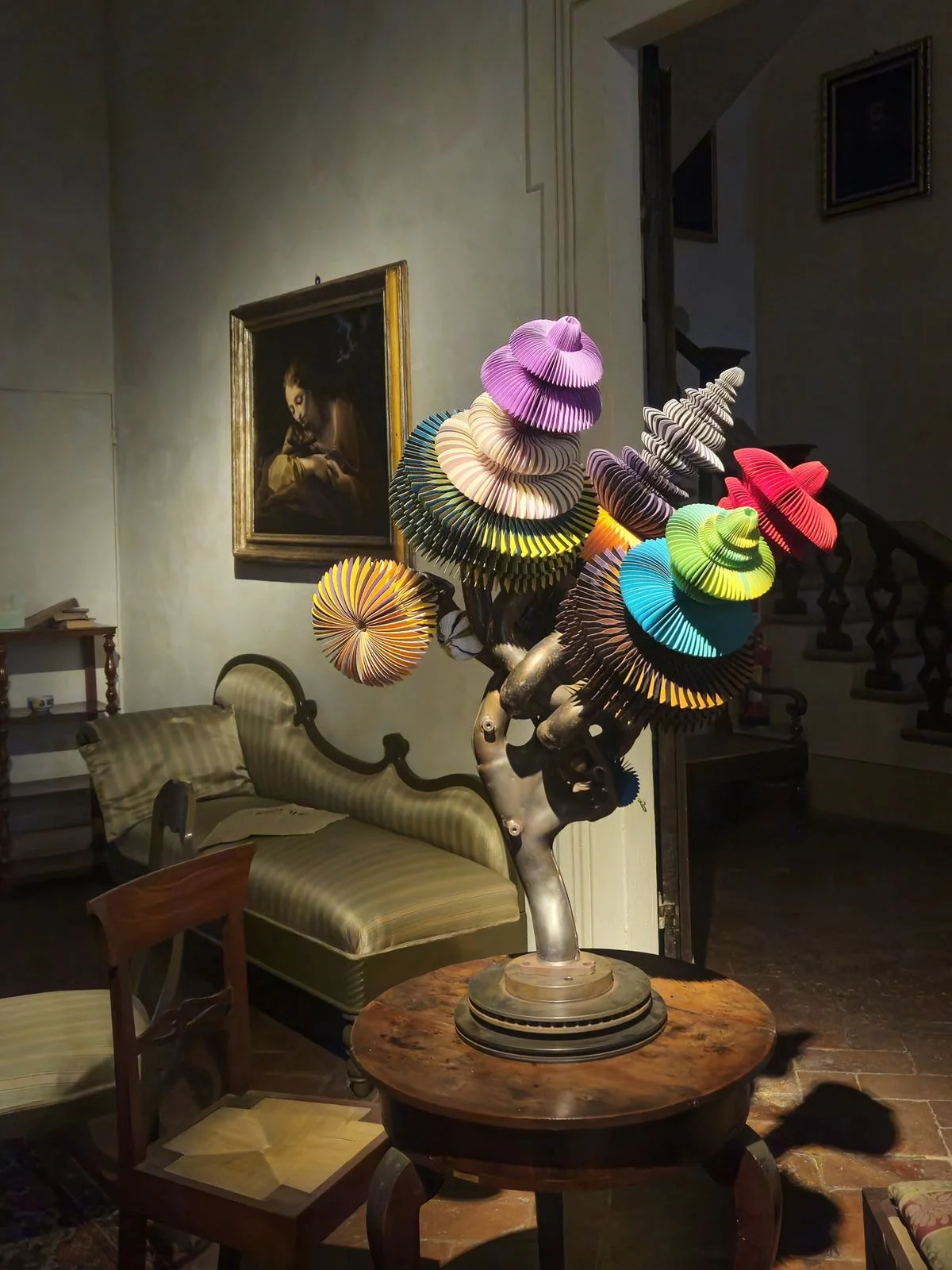
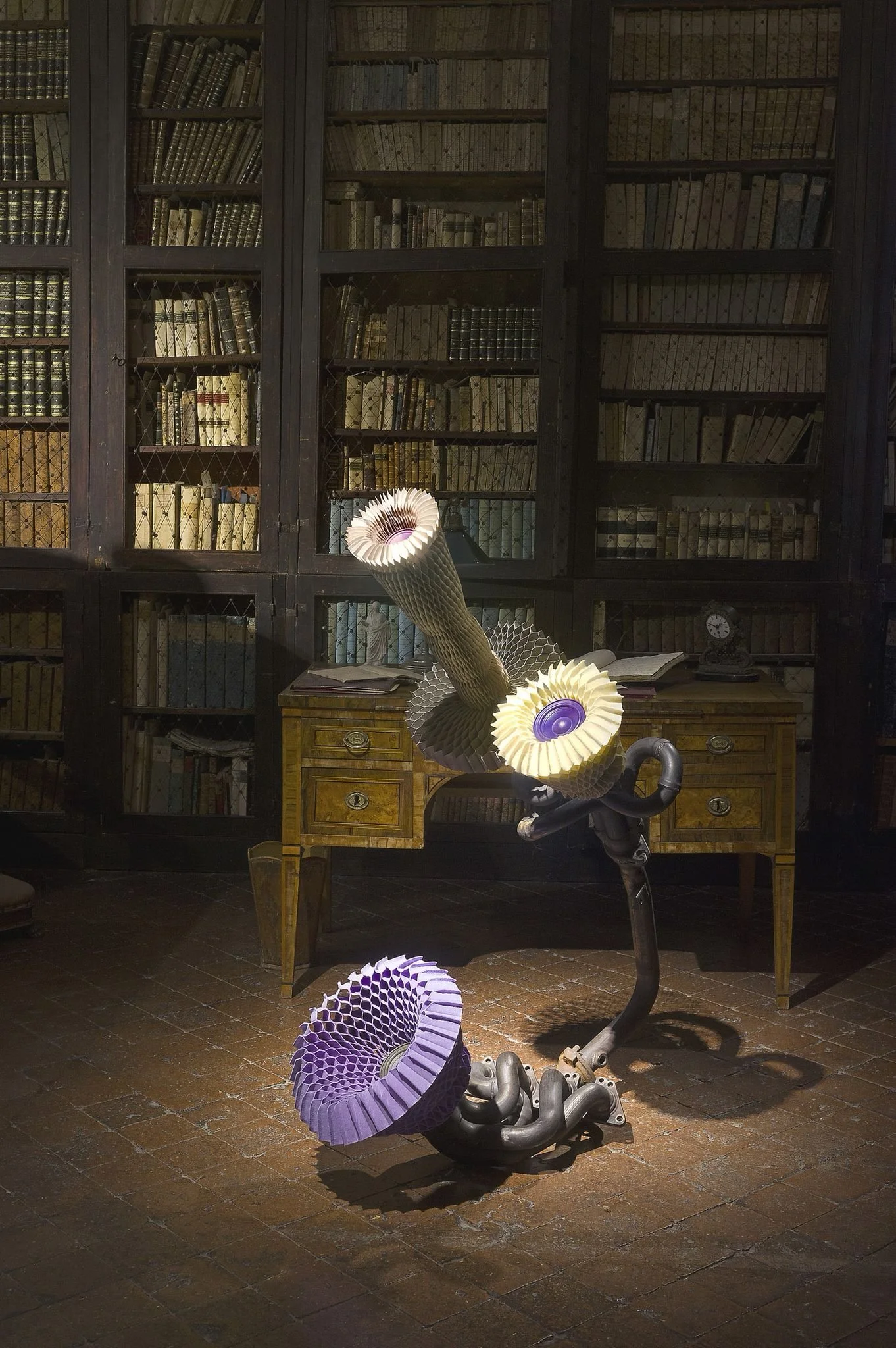
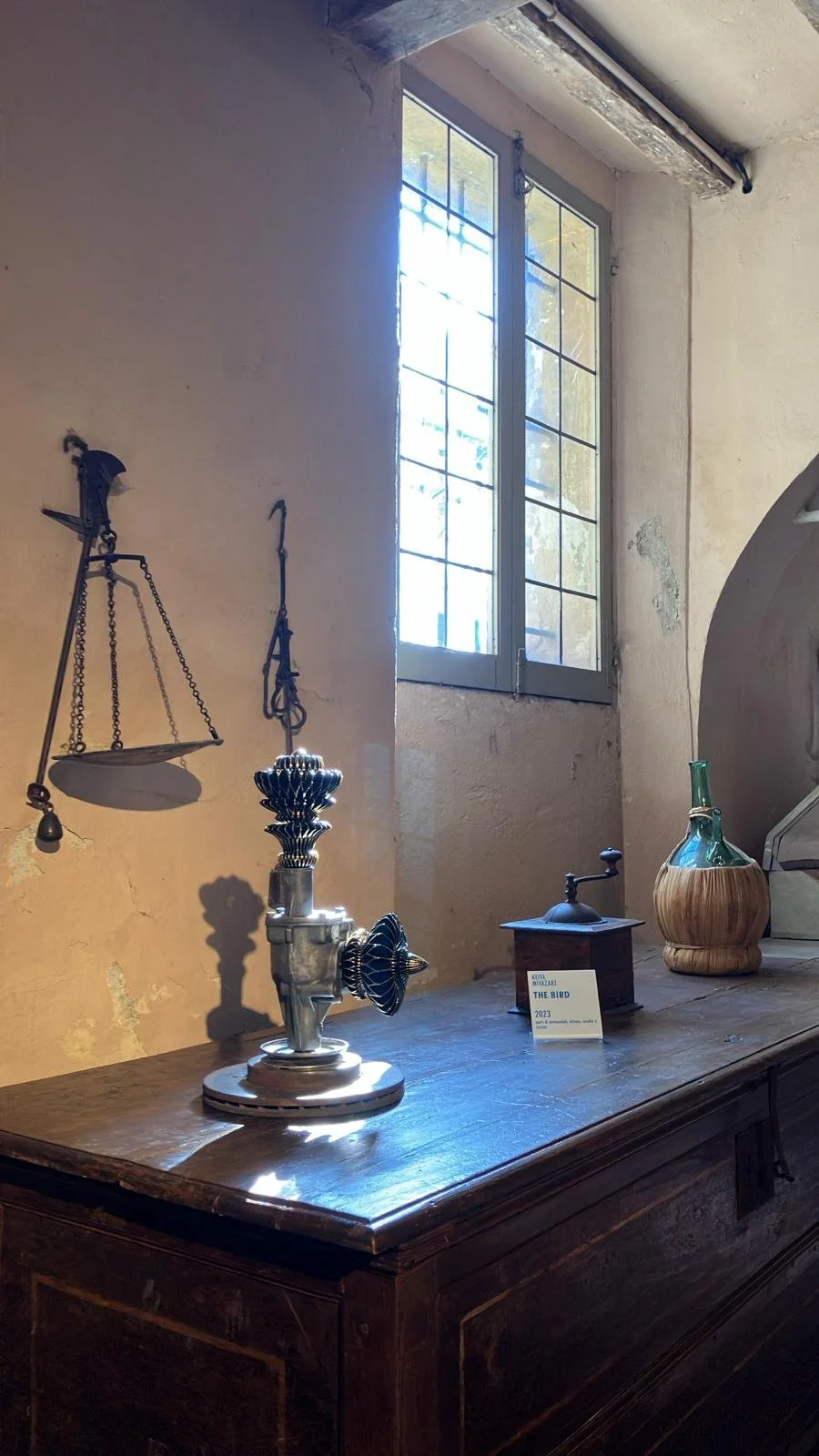
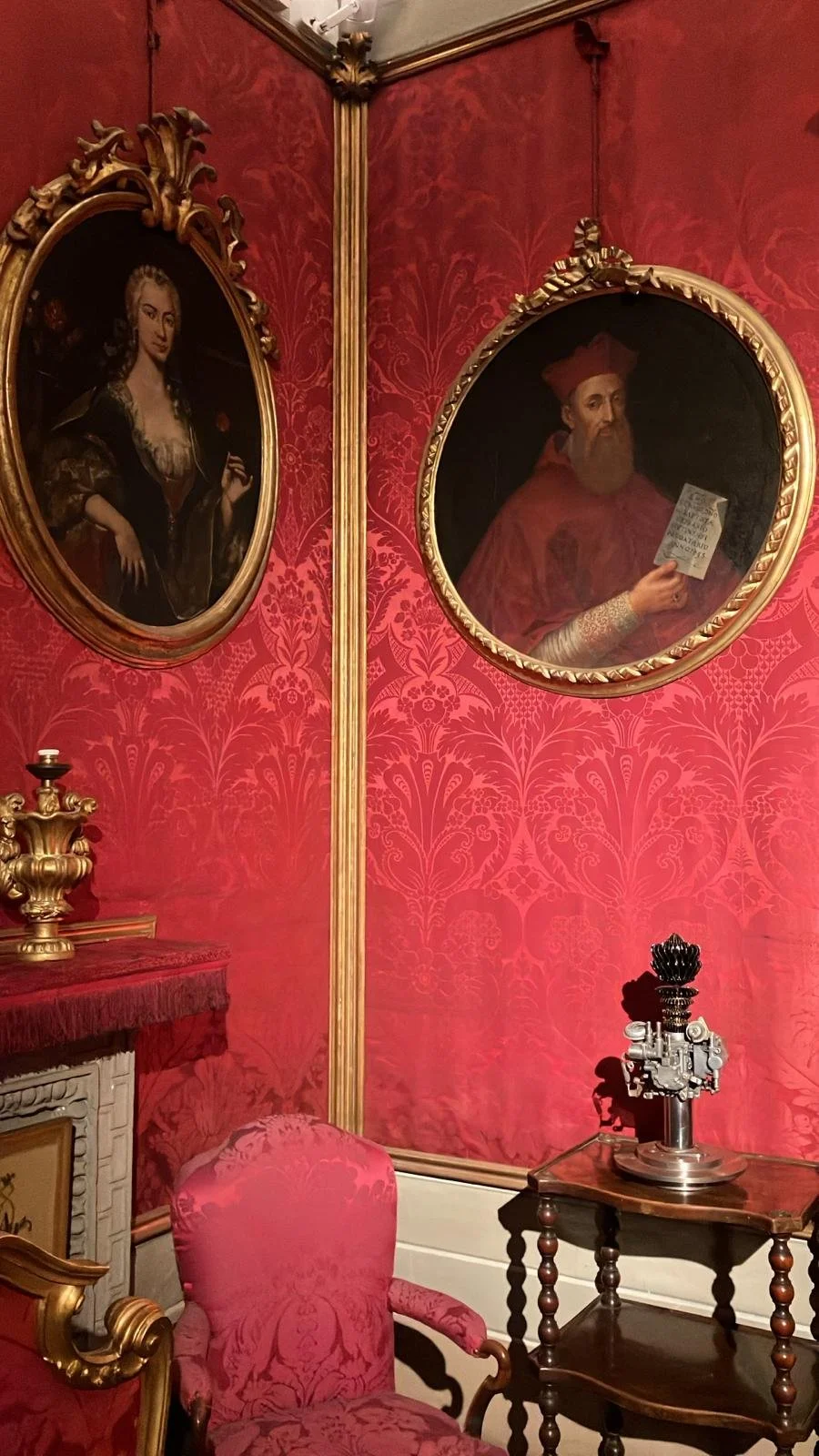
“KEITA MIYAZAKI. THE GARDEN OF VANITIES”
Curated by Diego Galizzi and Riccardo Freddo
Imola, Palazzo Tozzoni
November 15, 2025 – February 22, 2026
From November 15, Palazzo Tozzoni in Imola will once again engage with contemporary artistic language through an international exhibition featuring the visionary sculptures and installations of Japanese artist Keita Miyazaki (Tokyo, 1983). The announcement comes from the Municipality of Imola and Imola Musei, which, through a collaboration with London’s Rosenfeld Gallery, brings the artist’s work to Imola. Miyazaki is renowned for his distinctive practice that fuses industrial materials with fragile organic elements, creating a striking aesthetic of contrasts and tension.
“We are particularly proud to host the exhibition dedicated to Keita Miyazaki at Palazzo Tozzoni,” comment Mayor Marco Panieri and the Councillor for Culture Giacomo Gambi. “An artist of extraordinary originality and sensitivity, whose work — suspended between sculpture and industrial material — resonates perfectly with our region, so deeply connected to the world of motors. This event is an important opportunity to reaffirm how contemporary art can enhance our historical heritage, making it vivid and relevant to the public. The collaboration with a major international gallery, such as Rosenfeld in London, confirms the commitment of the Municipality and Imola Musei to open up to globally significant projects, bringing high-quality artistic experiences with international recognition to our city.”
Curated by Diego Galizzi, director of Imola Musei, and Riccardo Freddo, head of institutional relations at Rosenfeld Gallery, the exhibition KEITA MIYAZAKI. THE GARDEN OF VANITIES, running from November 15, 2025, to February 22, 2026, will create a journey through the opulent rooms of Palazzo Tozzoni, focused on the beauty of imperfection, where past and future meet to spark reflections on the fragility of modernity.
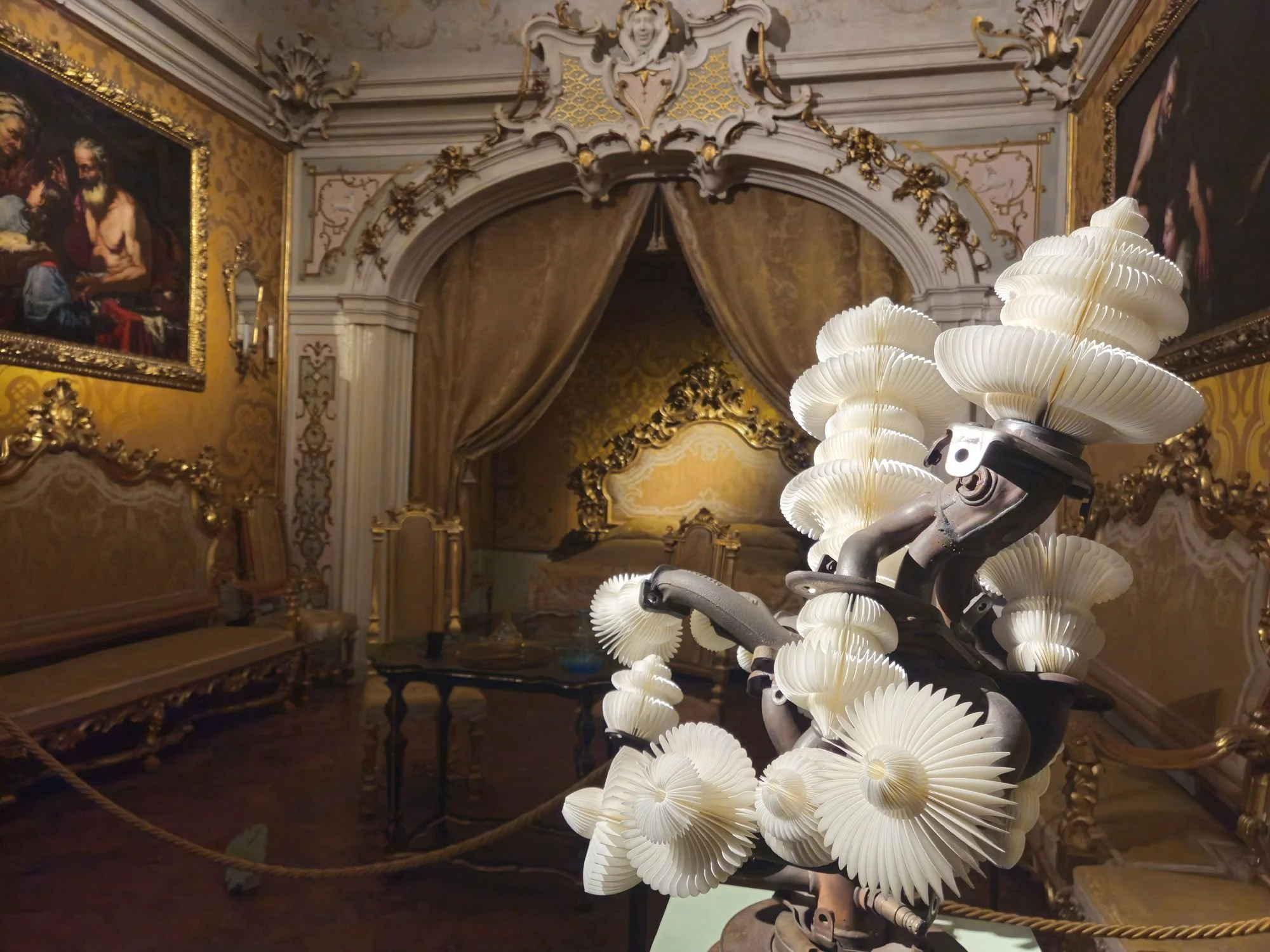
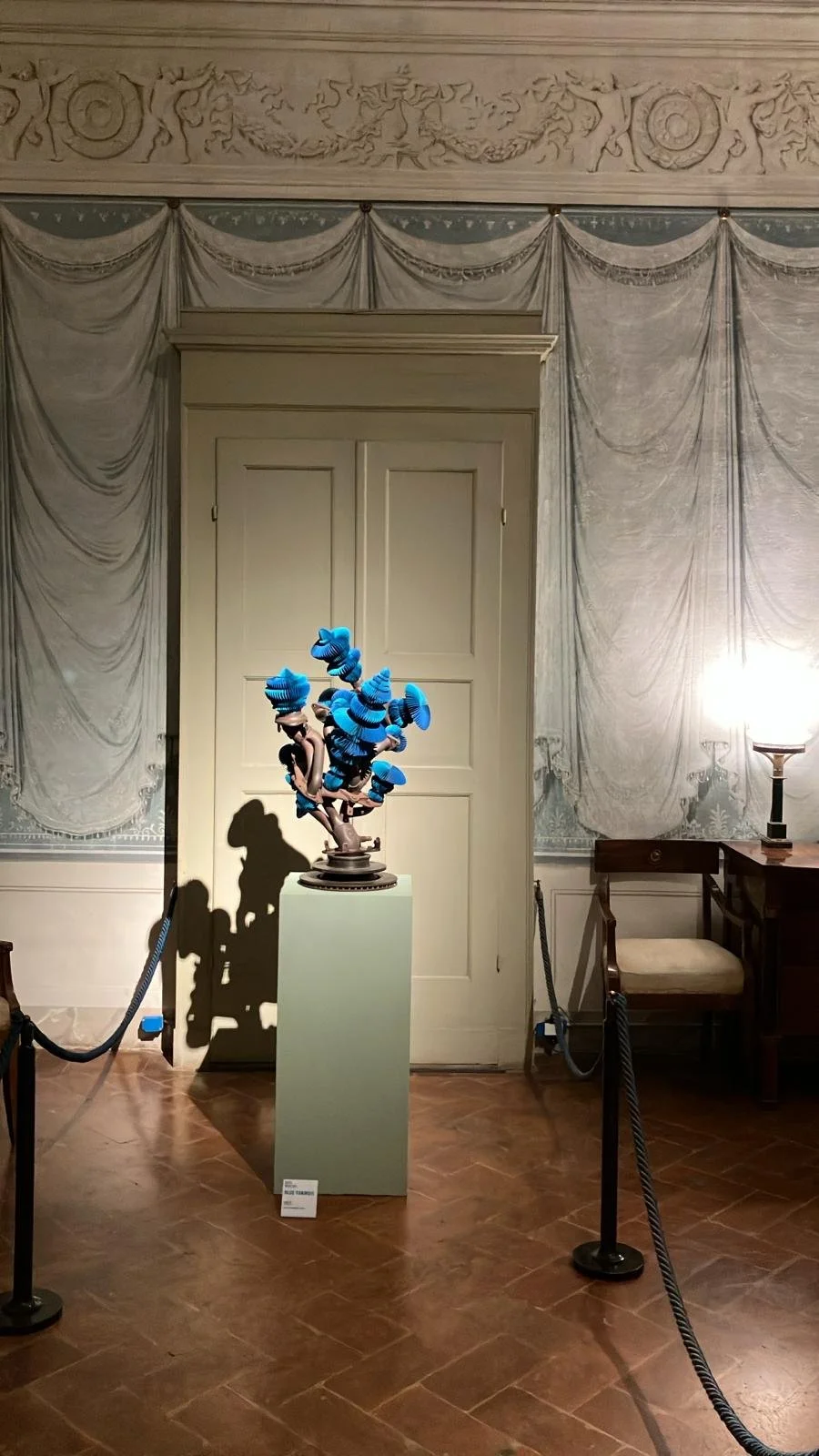
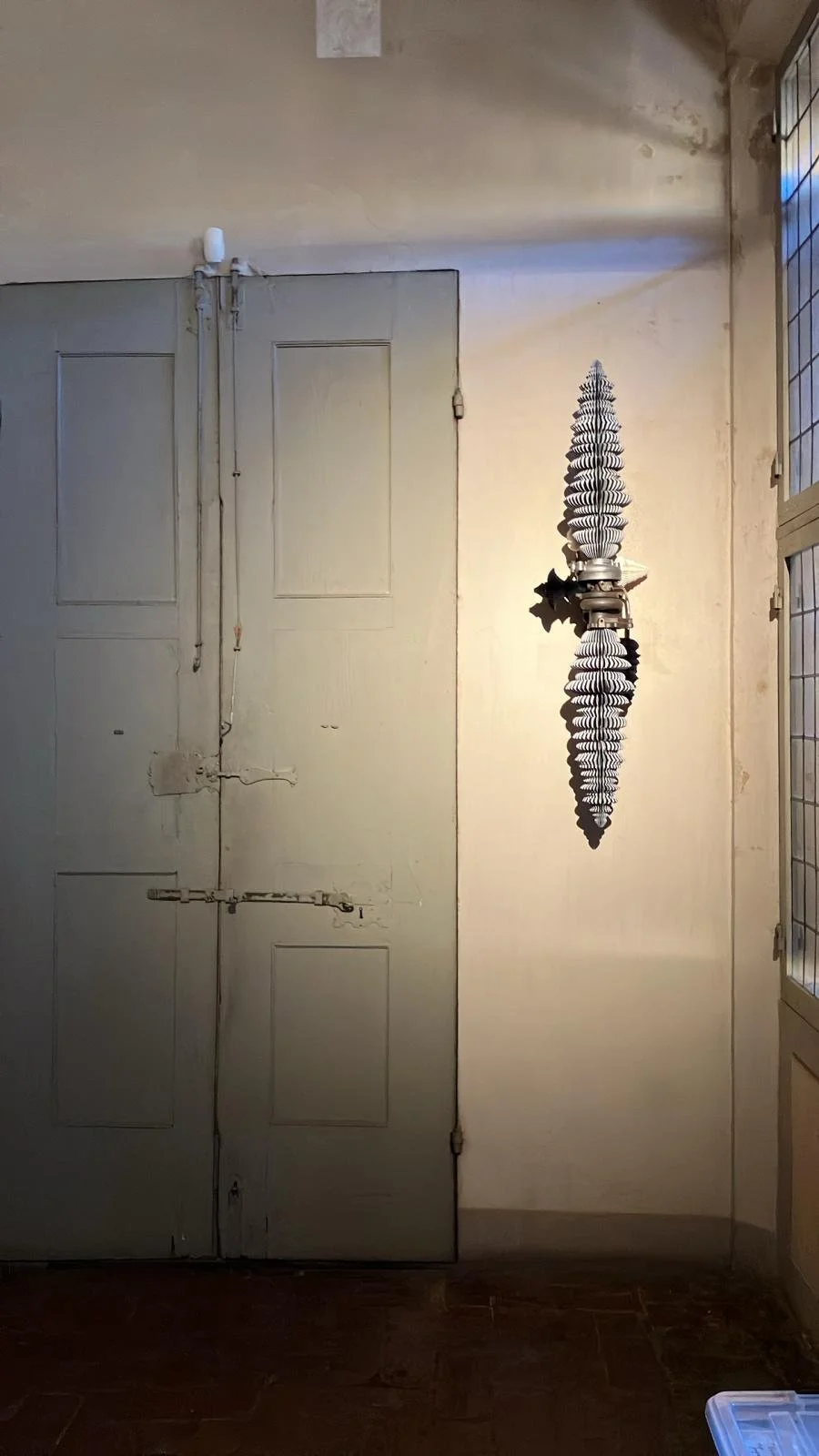
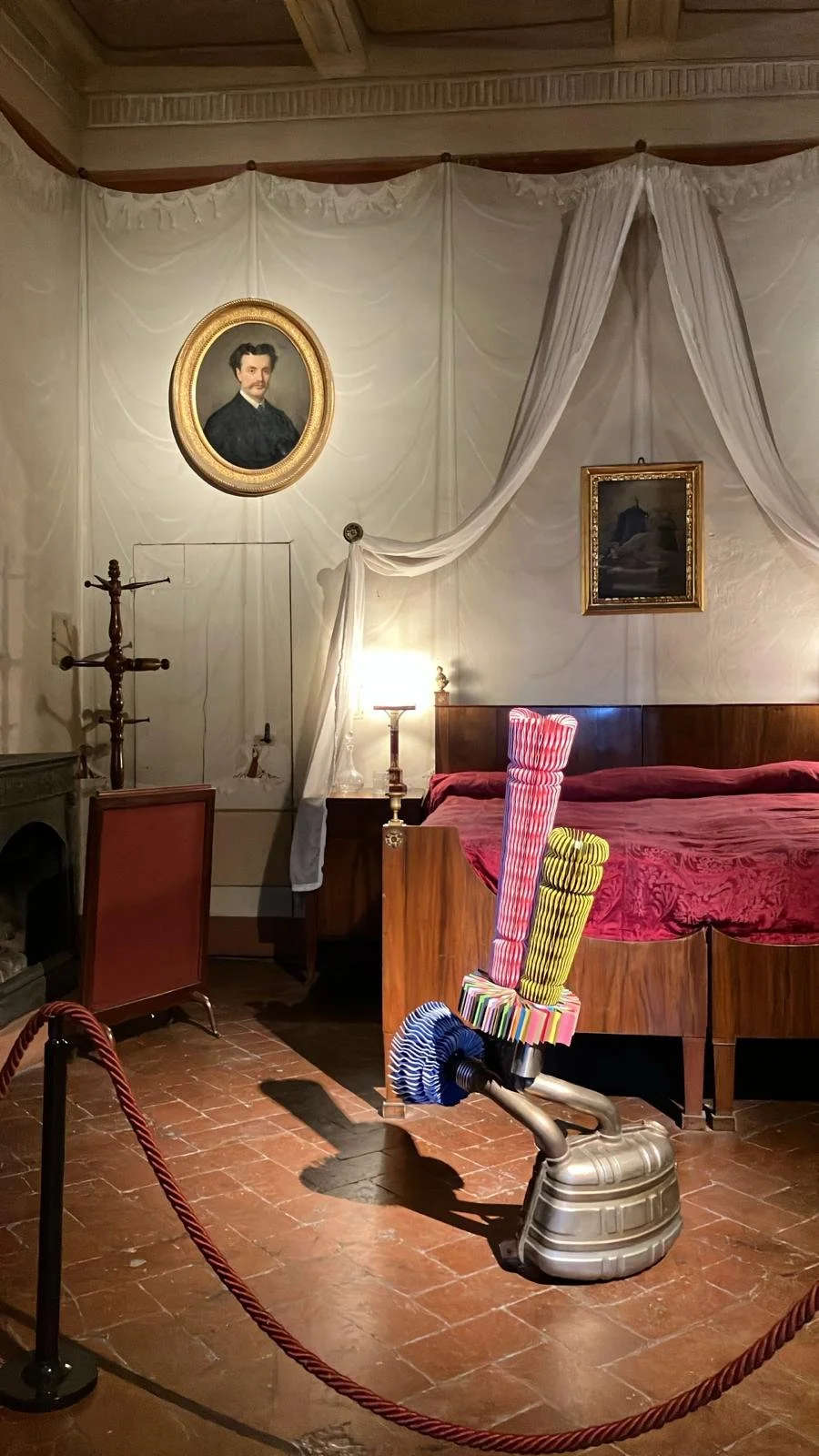
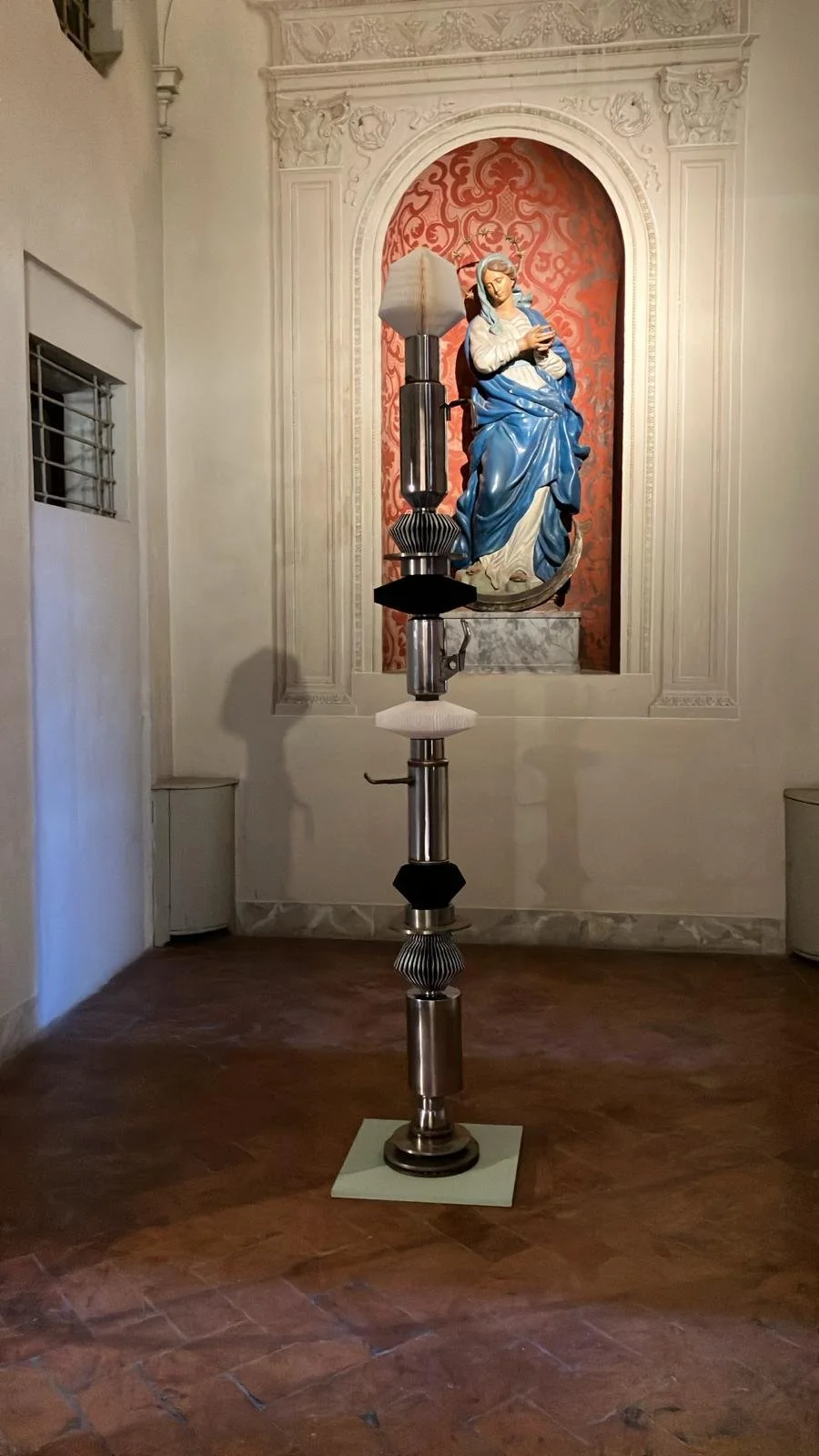
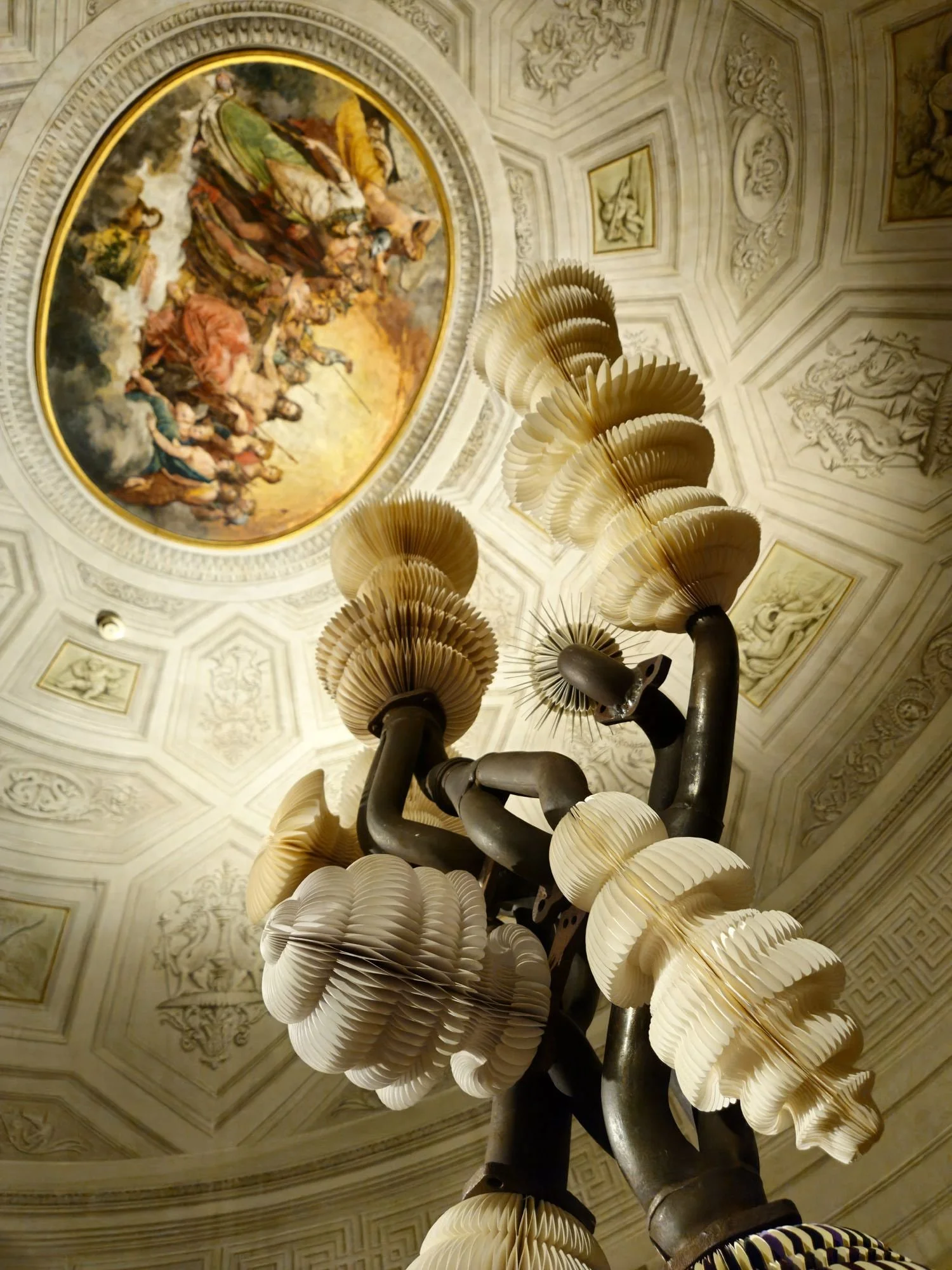
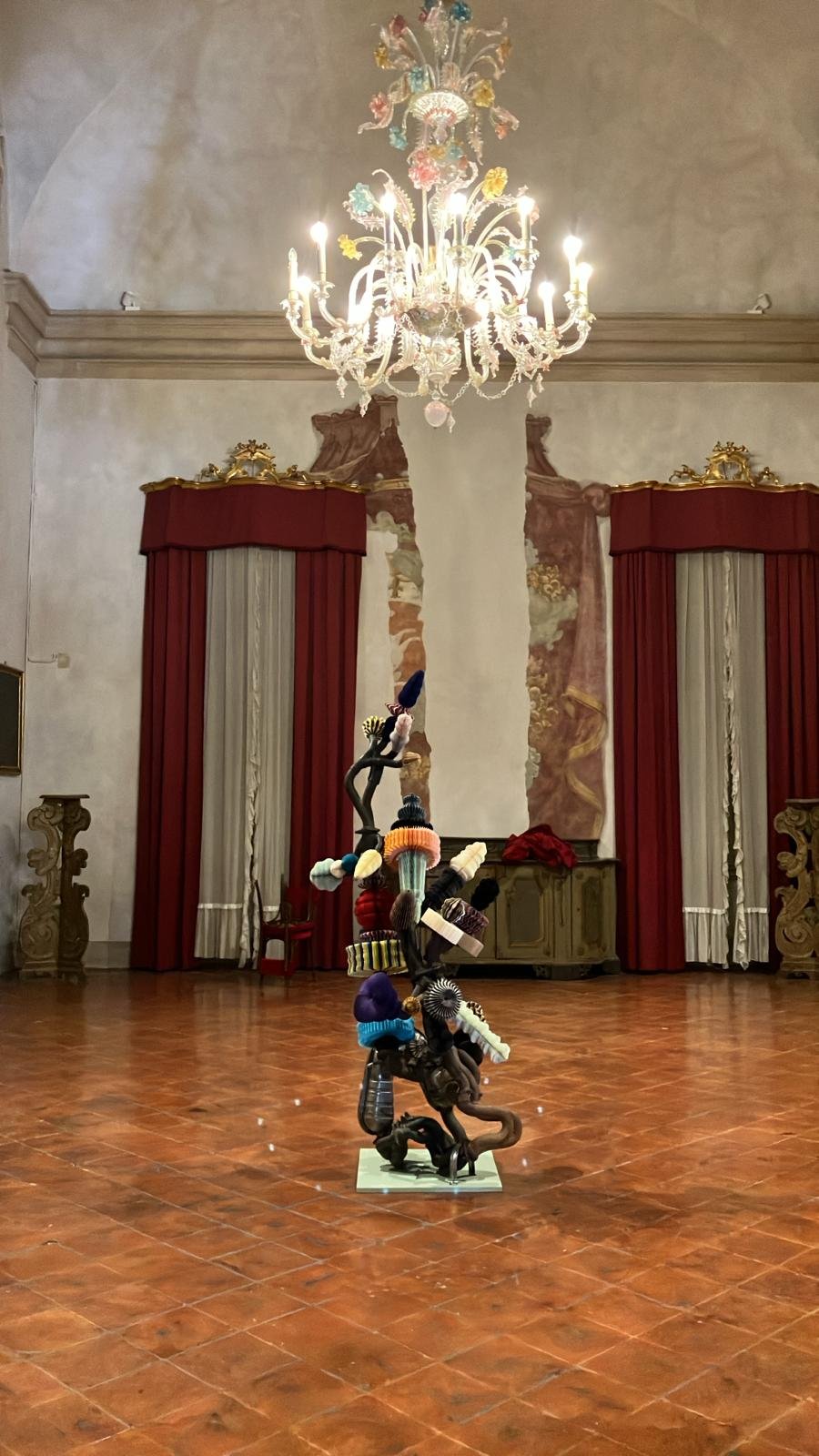
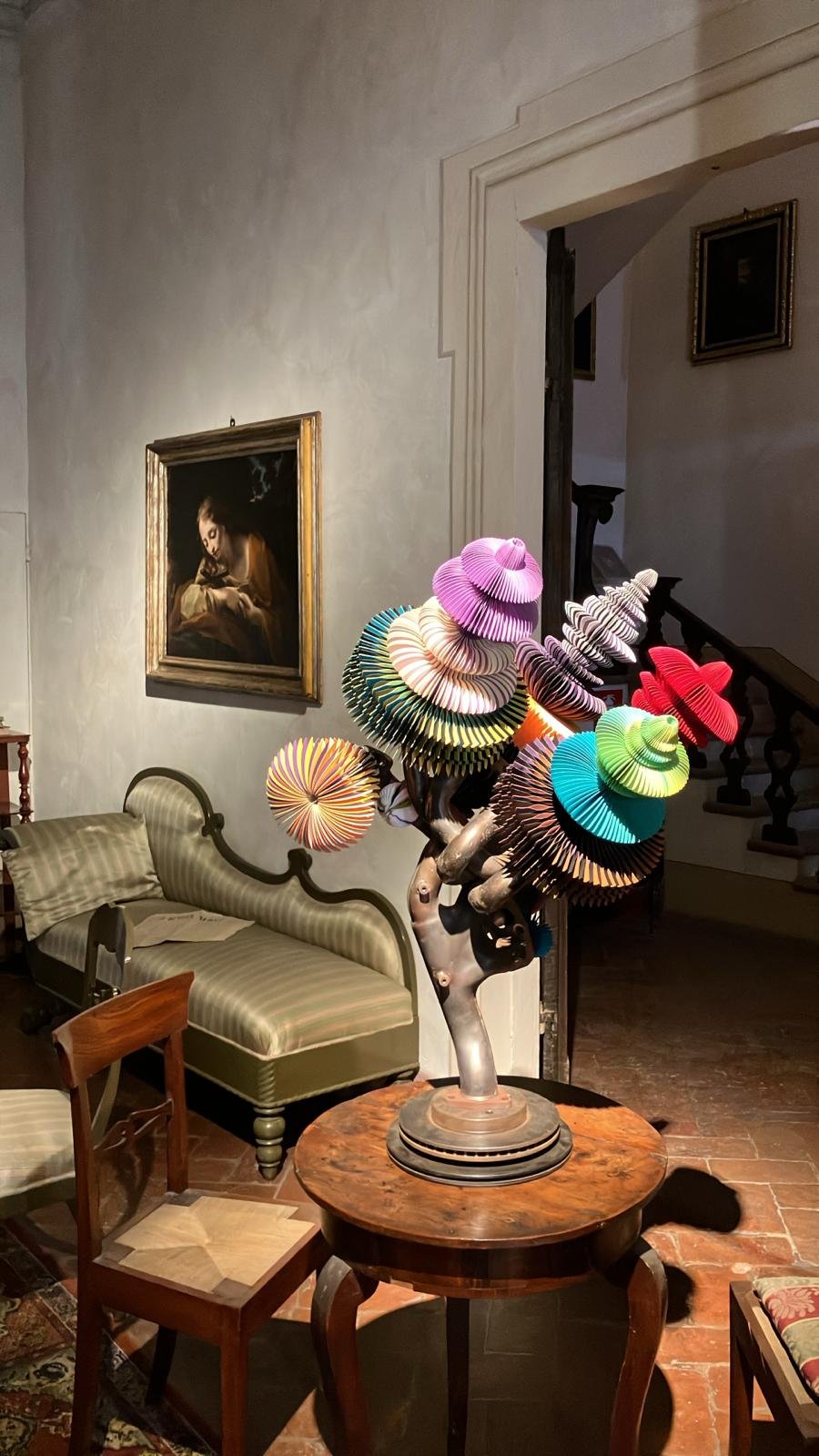
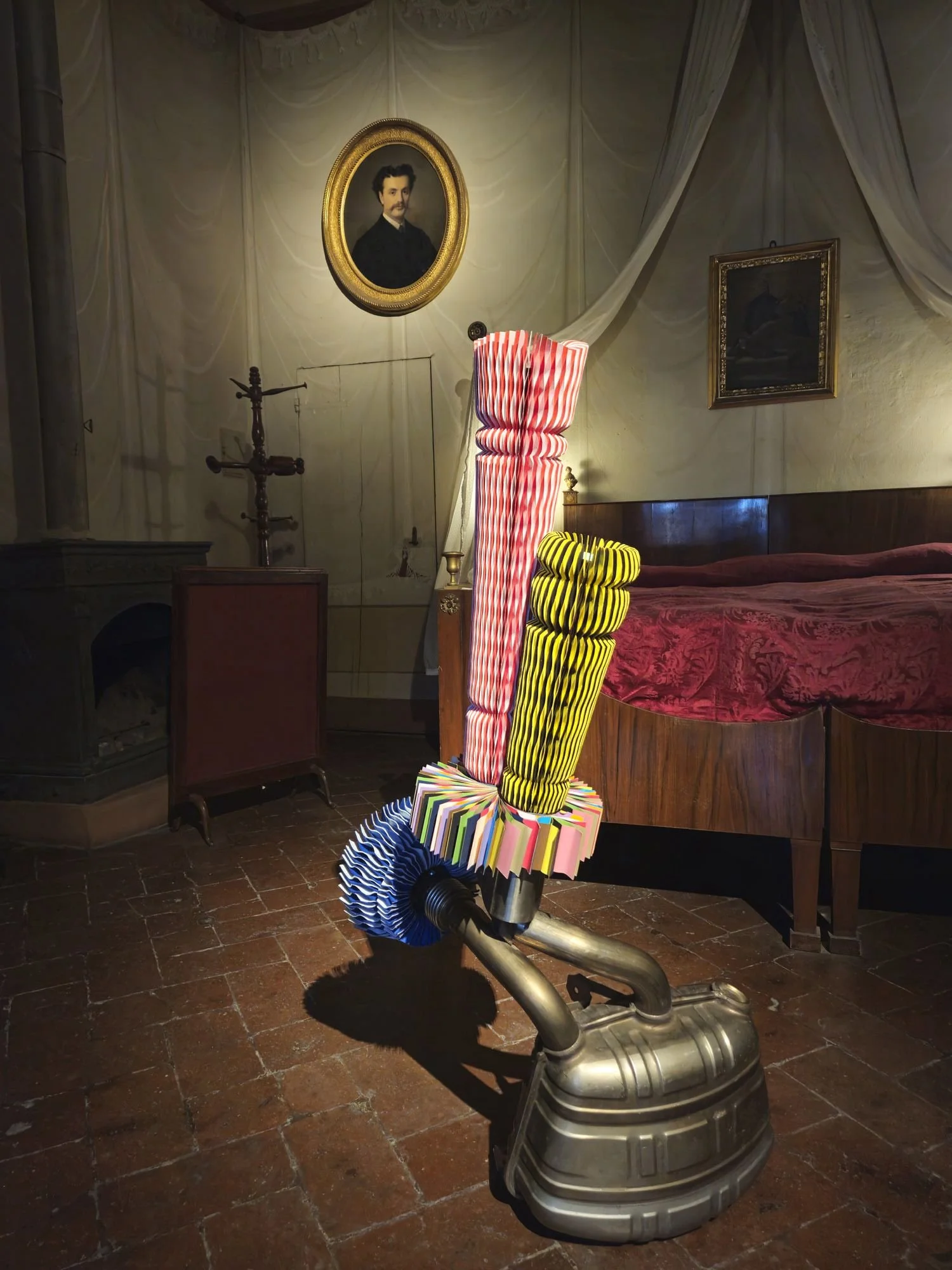
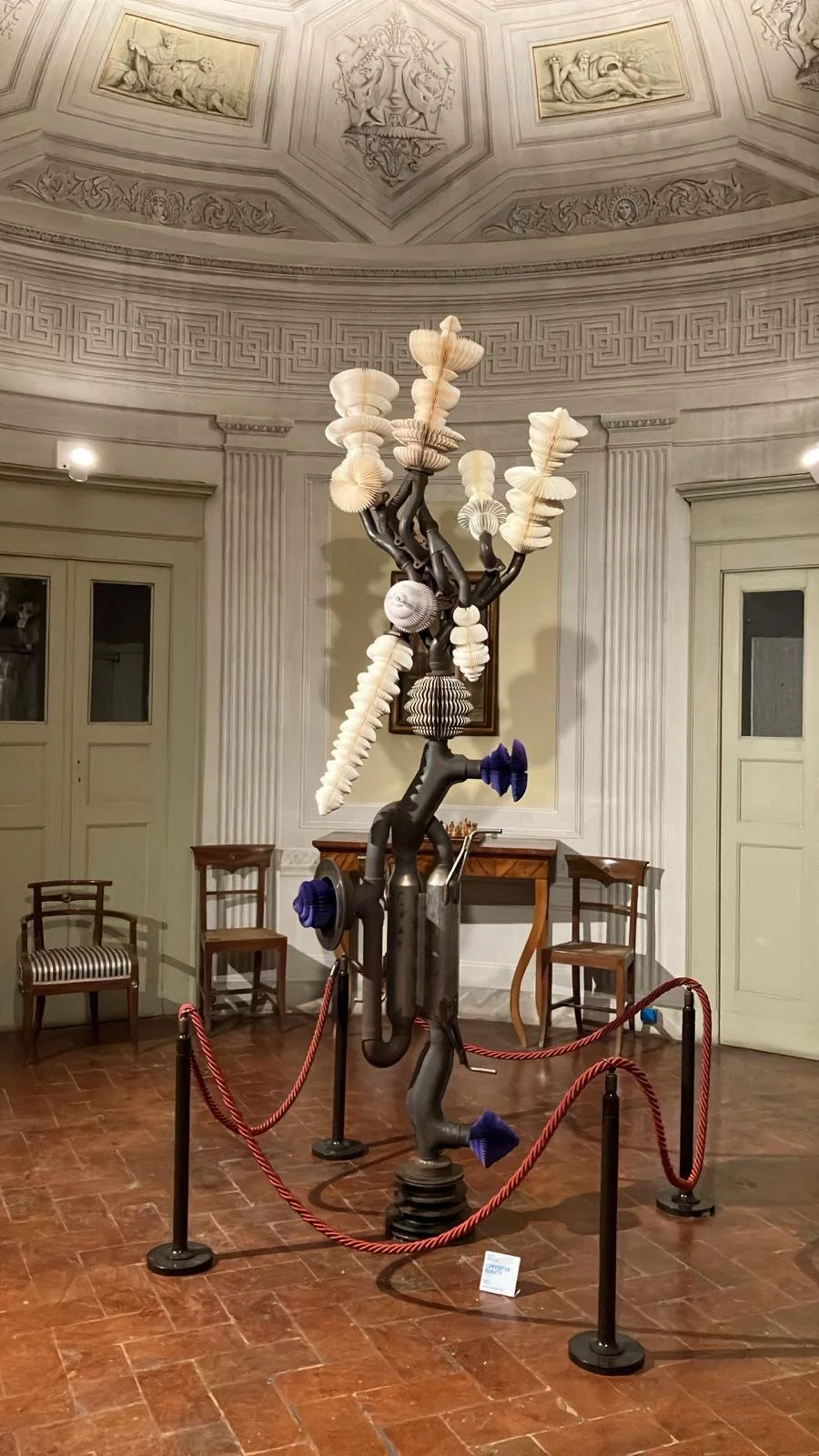
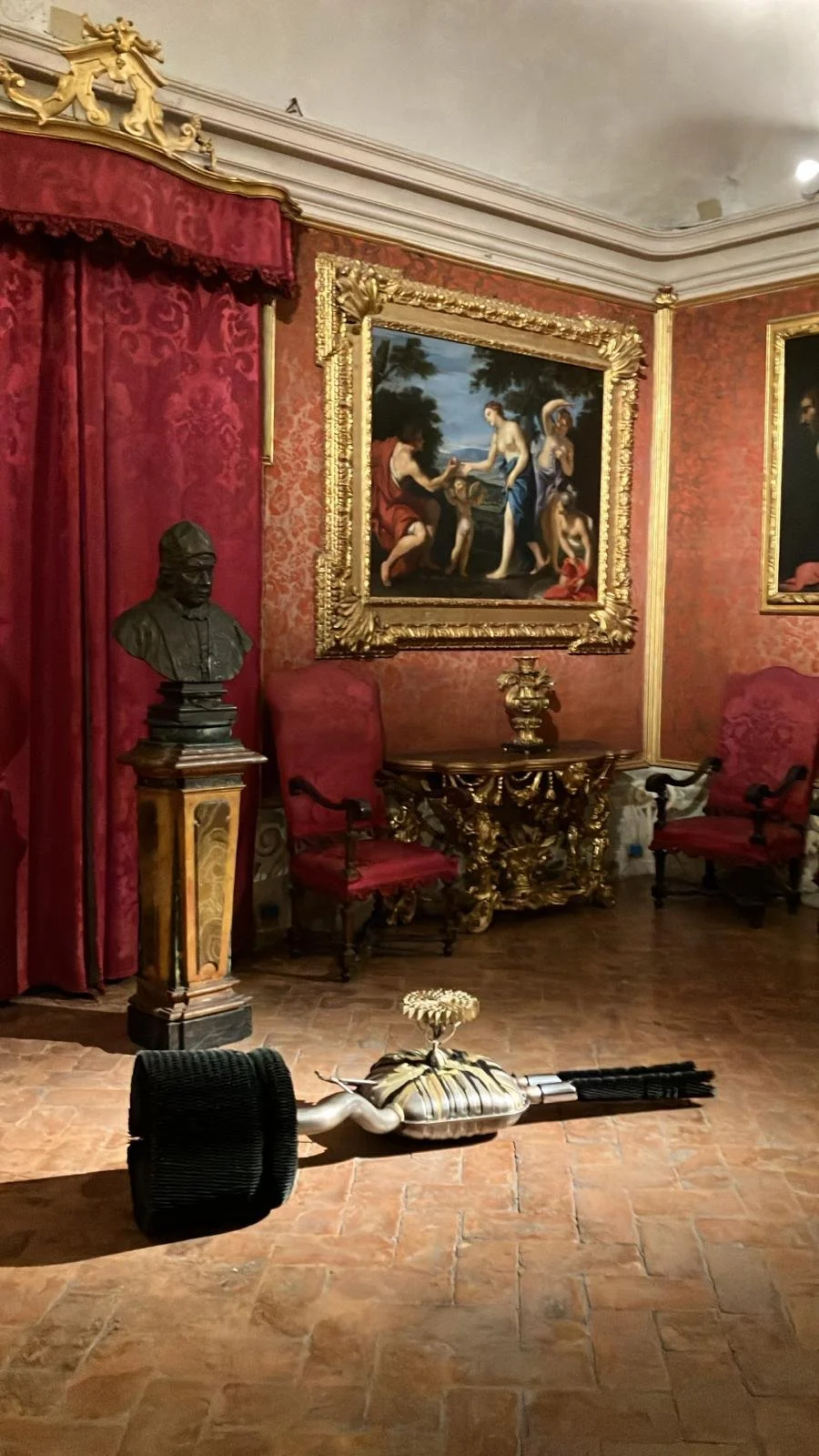
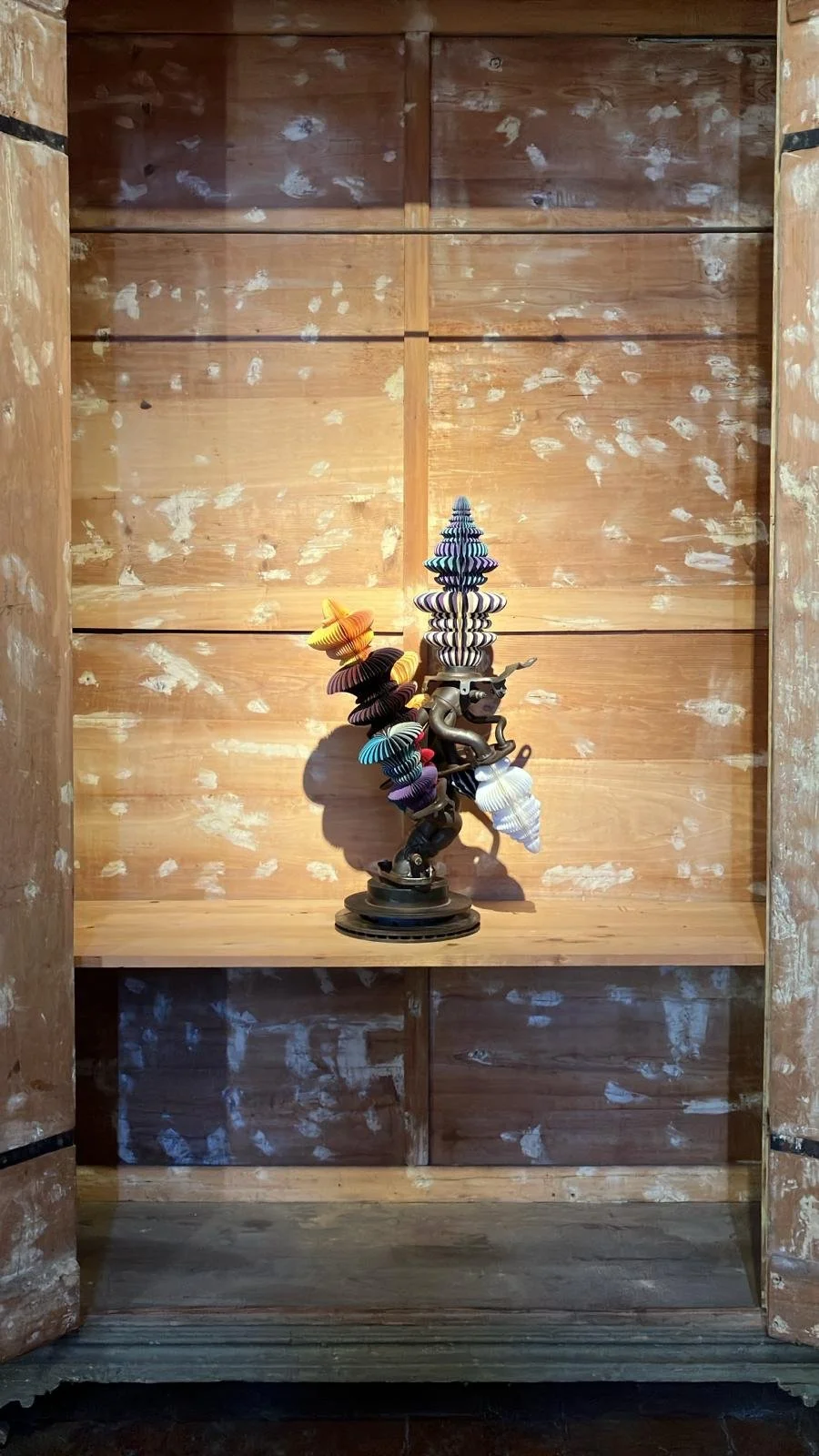
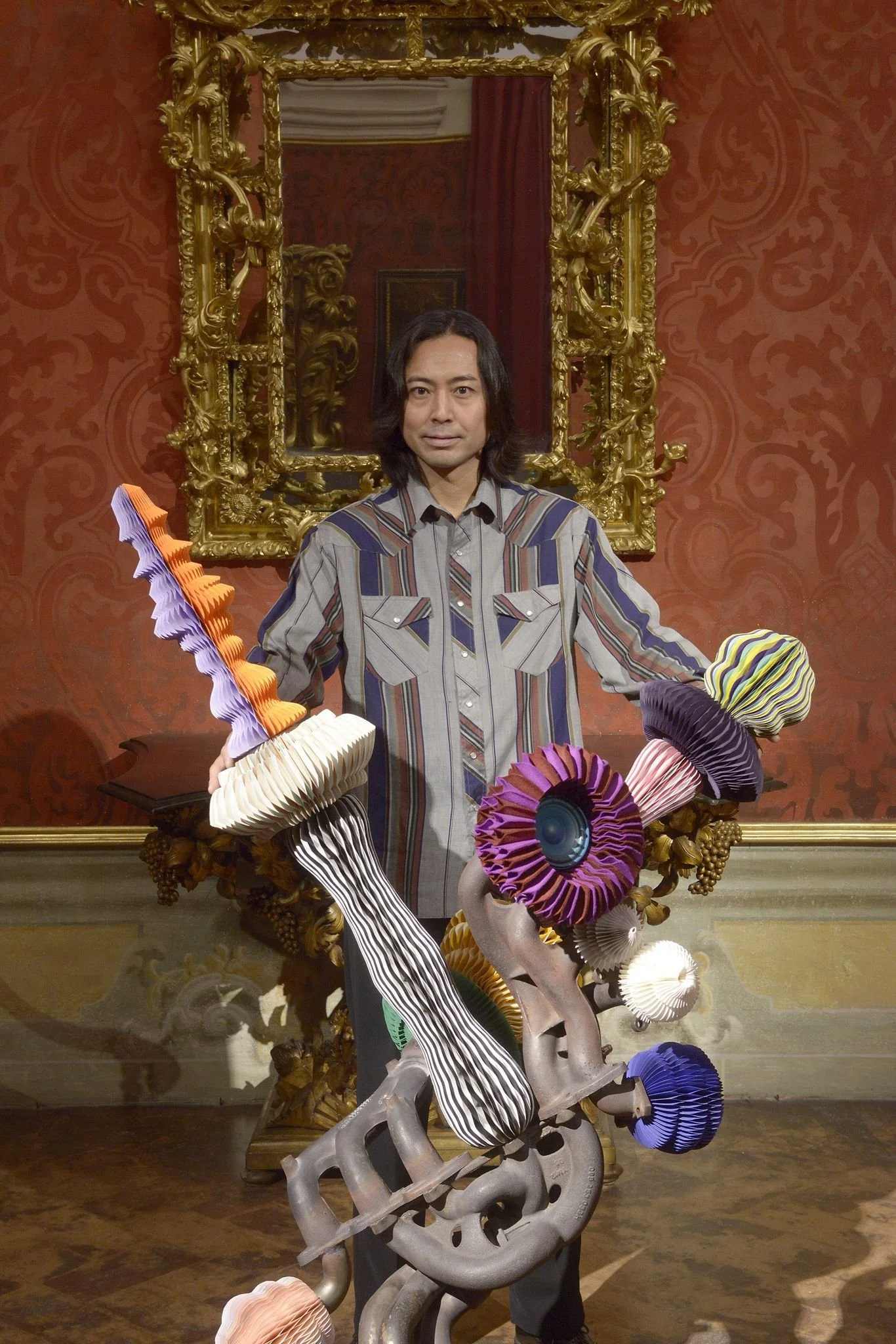
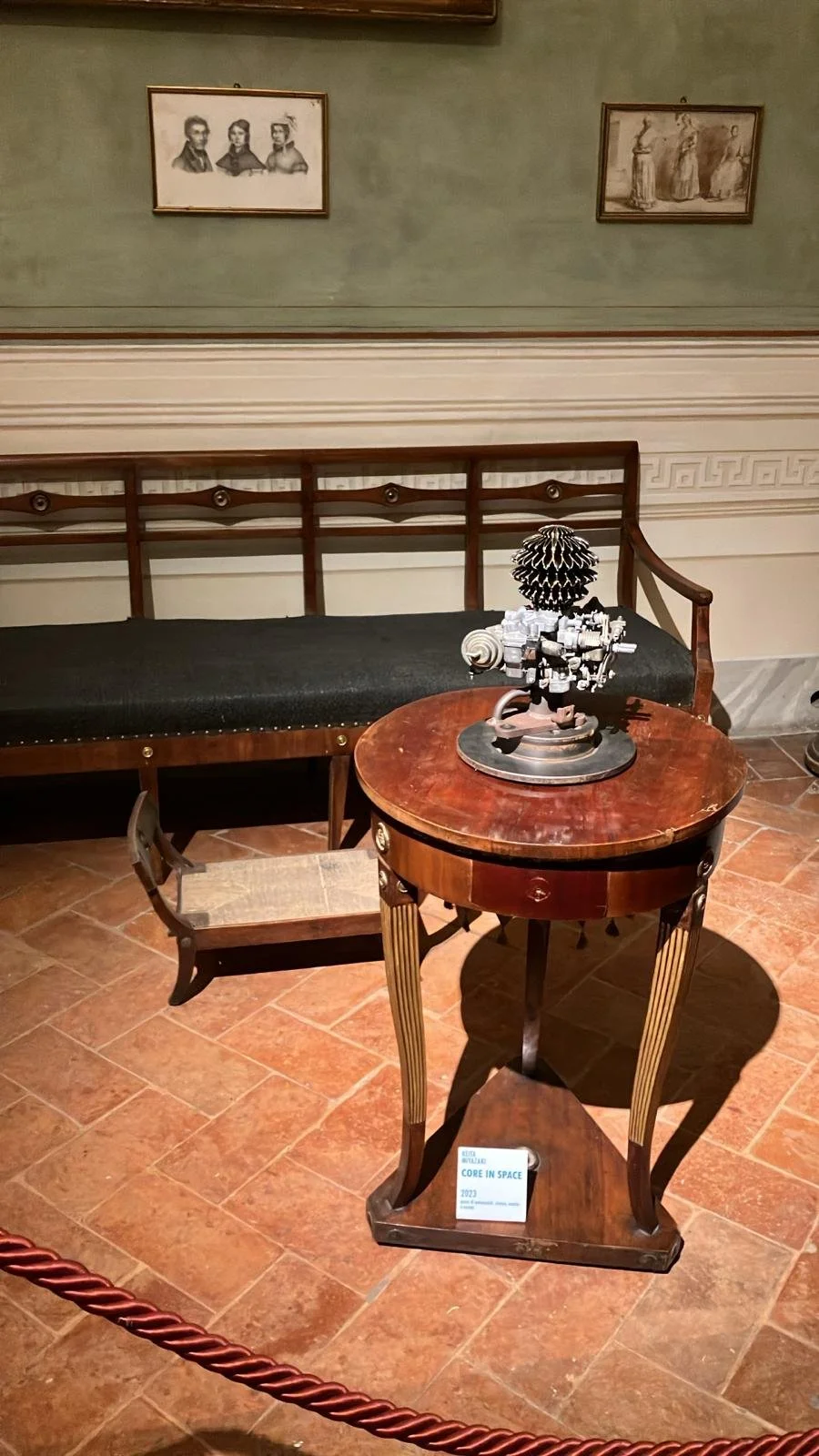
Keita Miyazaki’s works stand out for their extraordinary originality, a true one-of-a-kind contribution to contemporary art. His hybrid sculptures are crafted from discarded mechanical car parts, upon which the artist mounts delicate paper origami, as if coaxing them to bloom.
At the heart of this unusual practice lies Japanese culture, with its strong contradictions, poised between technological progress and a deeply rooted millennia-old tradition. The shock of the 2011 tsunami and the sight of car wrecks scattered across mud-devastated landscapes became the catalyst for Miyazaki’s reflections, elevating his mechanical fragment sculptures as symbols of an industrial society vulnerable to the power of nature.
“The exhibition we have developed here in Imola,” explains Diego Galizzi, “aims to offer the city an opportunity to reflect through the subtle poetics of Keita Miyazaki, who, in this land of motors, finds an extraordinary stage to amplify his message of dissonance. The interplay between classical forms and futuristic hints, in dialogue with the refinement of the space, will create a seductive aesthetic experience. We want the rooms of Palazzo Tozzoni to transform into a vast garden of the ephemeral, where industrial debris and waste are transcended by something seemingly fragile — made of paper, yet full of humanity: origami.”
According to Riccardo Freddo, “Keita Miyazaki’s work reminds us that beauty can emerge from contrast, from the encounter between what is meant to endure and what is ephemeral. His sculptures, made of metal and paper, are metaphors of resilience and rebirth, but also of deeply human fragility. Bringing this body of work to Palazzo Tozzoni creates a dialogue across epochs and cultures, where the memory of the past and the echo of the future coexist in a delicate, yet poetically necessary, balance.”
Born in Tokyo in 1983, Keita Miyazaki lives and works between Japan and the United Kingdom. After studying at the Tokyo University of the Arts and the Royal College of Art in London, he developed a recognizable visual language that juxtaposes mechanical ruins with vegetal forms. His works have been exhibited internationally at institutions including the Victoria and Albert Museum, Centre Pompidou, Palais de Tokyo, and Jameel Arts Centre, and are part of prestigious collections such as the Benetton Foundation, Mori Arts Centre, and Daiwa Foundation.
